
April 7, 2026
Choosing the Right Robotics Class for Your Child
A practical guide for parents comparing beginner robotics classes, coding tracks, and competition programs.
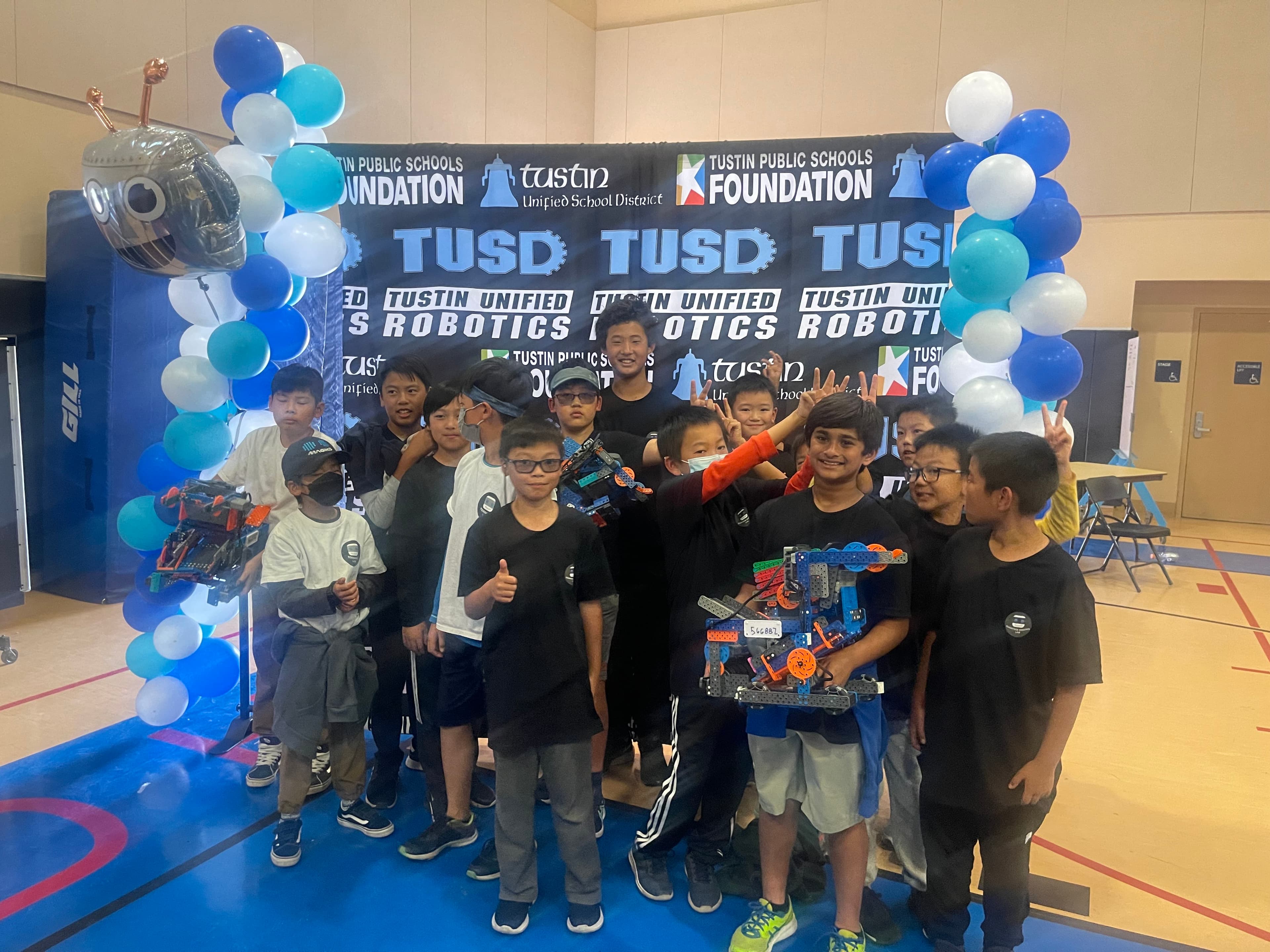
Picking a robotics class is easier when you focus on the kind of learner your child already is instead of chasing the most advanced syllabus.
Start with the student's current comfort level
Some students are ready to jump straight into programming logic. Others need time to explore building, testing, and collaborating before code feels natural. A strong beginner class should make room for both.
Look for signs that a program is appropriately paced:
- Students build something tangible early.
- Instructors explain mistakes as part of the process.
- The class balances structure with room for experimentation.
- The next level is clear without feeling rushed.
Match the class format to the student's motivation
The best class format depends on what keeps your child engaged week after week.
| If your child enjoys... | A strong fit is often... |
|---|---|
| Building with their hands | Intro robotics and engineering classes |
| Solving logic puzzles | Coding-forward robotics classes |
| Working with peers | Team-based project classes |
| Competition energy | Structured VEX or tournament prep |
Ask how projects are used
A good program should produce more than worksheets. Projects should help students show growth in design, debugging, and communication.
Parents should ask:
- What will students build in the first month?
- How are projects documented or shared?
- How do instructors support students who get stuck?
- What is the next class after this one?
Progress should feel visible
Students stay motivated when they can point to real gains. That might be a robot that follows a line, a simple autonomous routine, or a better understanding of sensors and teamwork.
The right robotics class leaves a child more curious at the end than they were at the beginning.